
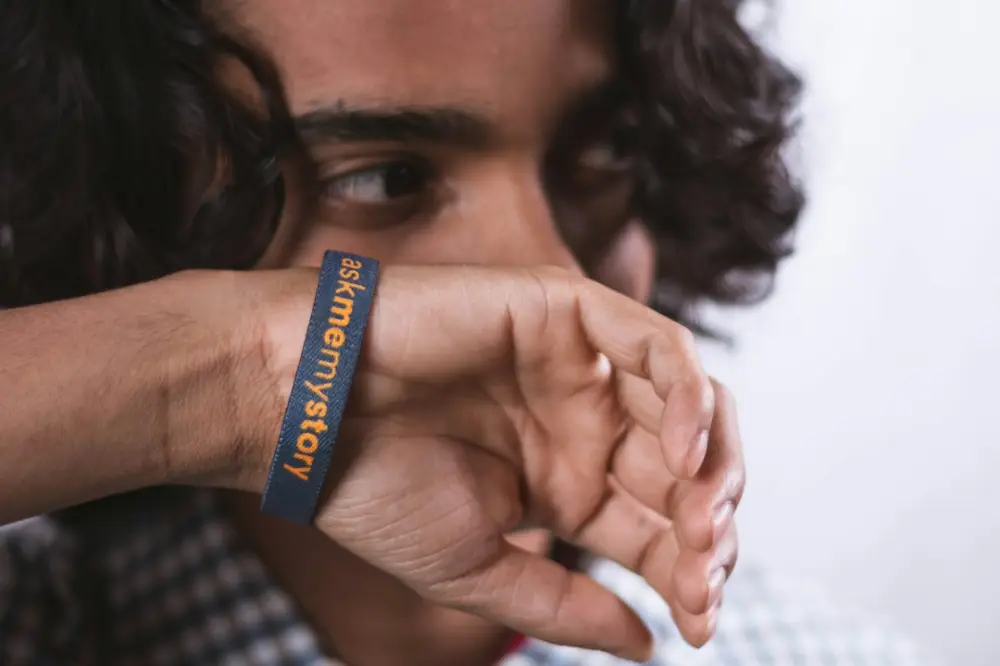
Articles in this Gifts and meaning guide
Gift-giving is often viewed as a simple exchange of items, but the most impactful presents are those that serve as vessels for stories, values, and shared experiences. In a marketplace saturated with temporary gadgets and fleeting trends, the search for something with permanent emotional resonance can be challenging. This guide explores the intersection of identity and gifting, specifically focusing on how a simple, minimalist wristband can function as a powerful tool for personal expression and a symbol of lasting connection.
Whether you are looking to commemorate a milestone, support a friend through a difficult journey, or unify a team under a common goal, understanding the psychology behind wearable symbols is the first step. By moving away from mass-produced items and toward thoughtful, message-driven accessories, we can give gifts that do not just sit on a shelf but actively participate in the recipient’s daily life.
The Psychology of Wearable Identity
Human beings have used wearable symbols to define themselves for millennia. From ancient amulets to modern badges, what we place on our bodies signals to the world—and to ourselves—who we are and what we stand for. A wristband, despite its physical simplicity, taps into deep-seated psychological needs for self-definition and external expression.
The wrist is a unique location for a symbol. It is constantly within the wearer’s field of vision, making it a primary site for "self-signaling." When you wear an item that represents a personal value, such as resilience or kindness, you are not just showing that value to others; you are reinforcing it to yourself every time you glance down. This creates a feedback loop where the accessory helps maintain a specific mindset or identity throughout the day.
Furthermore, the circular nature of a wristband carries its own archetypal weight. The circle has long been a symbol of unity, wholeness, and infinity. When we wear a band, we are metaphorically "encircling" a concept or a memory, keeping it close to our pulse. This makes the wristband an ideal medium for themes of protection, commitment, and eternal friendship. It is a quiet form of communication that requires no words but conveys a clear message of alignment with a specific cause or belief system.
Why Minimalist Wristbands Make Impactful Gifts
Choosing a gift that lasts often means looking past the initial "wow" factor and considering the long-term utility and emotional weight of the item. Many gifts lose their luster once the novelty wears off, but a meaningful accessory often grows in value as it becomes part of the wearer’s daily routine. As noted in our gift guide: why wristbands make thoughtful, lasting presents, these items carry an emotional depth that mass-produced goods simply cannot replicate.
There are several reasons why these accessories stand out as superior gifts:
- Emotional Depth: Unlike a generic gift card or a trendy piece of technology, a wristband can be specifically chosen to reflect the recipient’s life journey. If a friend is starting a new business, a band with a word like "Hustle" or "Focus" shows that you recognize and support their specific ambitions.
- Versatility Across Occasions: Whether it is a graduation, a sobriety milestone, a fitness achievement, or a simple gesture of "thinking of you," wristbands fit nearly every context. They are gender-neutral and age-appropriate, making them a safe yet deeply personal choice.
- Durability and Presence: Flowers fade and gadgets eventually break or become obsolete. A high-quality wristband, however, is designed for daily wear. It survives the gym, the office, and the shower, remaining a constant companion and a persistent reminder of the person who gave it.
- Customization: The ability to tailor colors, textures, and messages ensures that the gift is a one-of-a-kind reflection of the recipient’s personality. This level of thought suggests a deep level of care and attention from the giver.
When you give a wristband, you are giving more than a piece of silicone or fabric; you are giving a physical manifestation of a bond. It serves as a "portable memory" that the recipient can carry with them wherever they go.
Daily Motivation: The Power of Personal Reminders
One of the most practical applications of a meaningful wristband is its role in behavioral change and mental fortitude. We often set goals or intentions in the morning, only to have them swept away by the chaos of the workday. A wearable reminder acts as a physical "anchor" that brings the mind back to its original intent.
There are top 5 benefits of wearing a meaningful wristband every day, and chief among them is the cultivation of mindfulness. In a world of digital distractions, a physical object on the wrist provides a tactile sensation that can ground a person in the present moment. For someone struggling with anxiety, a band might represent the instruction to "Breathe." For an athlete, it might be a reminder of the "Why" behind their training.
Example: The Recovery Journey
Consider someone in the process of recovery or habit change. The road is often long and filled with moments of weakness. A wristband inscribed with a date or a single word of strength serves as a silent coach. It is a visual cue that triggers the brain to remember the progress made and the stakes involved. This is the science of "priming"—using external stimuli to influence internal states.
Example: Professional Focus
In a high-pressure office environment, it is easy to lose sight of one’s core values. A minimalist band can serve as a private mission statement. While colleagues see a simple accessory, the wearer sees a reminder to lead with empathy or to remain resilient under pressure. It is a form of self-regulation that requires no external intervention.
Building Community Through Shared Symbols
Beyond individual use, wristbands are perhaps the most effective tools for building and signaling shared identity. Humans have an innate desire to belong to a group, and symbols act as the "silent language" of that belonging. When a group of people wears the same minimalist accessory, they are participating in a ritual of recognition.
We are seeing a significant shift in how people express their affiliations. There is the growing role of minimalist accessories in modern culture, where the emphasis is on quiet permanence rather than loud, flashy branding. This minimalism allows the shared message to take center stage. When you strip away the excess, the remaining symbol becomes more potent.
Shared wristbands create an immediate bridge between individuals. Consider these scenarios:
- Charitable Causes: Wearing a specific color or message allows supporters of a cause to identify one another in a crowd. It creates an instant sense of solidarity and shared purpose without the need for a long conversation.
- Fitness Communities: Members of a CrossFit box or a running club often wear matching bands to signify their commitment to a collective standard of excellence. It transforms an individual workout into a group effort.
- Corporate Culture: Instead of stiff uniforms, modern companies often use custom wristbands to commemorate team-building events or successful project launches. It fosters a sense of being "on the same team" in a casual, wearable way.
This shared identity is not about conformity; it is about alignment. It is the visual representation of a collective narrative, reminding every member that they are part of something larger than themselves.
Selecting a Wristband That Carries Lasting Meaning
If you are looking to purchase a wristband as a gift or for your own personal use, the selection process should be intentional. To move from a "trinket" to a "treasure," consider the following criteria:
1. Identify the Core Message
Before looking at colors or styles, determine the single most important message the band should convey. Is it a message of support? A celebration of an achievement? A reminder of a shared secret? The more specific the message, the more meaningful the gift. Avoid generic phrases if a more personal one is available.
2. Consider the Aesthetic of the Recipient
A gift is only meaningful if it is actually worn. Consider the recipient’s daily wardrobe. If they work in a professional setting, a sleek, thin, minimalist band in a neutral color (black, navy, or slate) might be best. If they are an artist or an activist, they might prefer something bold and vibrant that sparks conversation.
3. Think About the "Why" of the Material
The choice of material can also carry meaning. Silicone is often chosen for its resilience and association with active lifestyles and causes. Fabric might suggest a more organic, handcrafted feel. Ensure the material matches the lifestyle of the wearer—durability is key for an item intended for daily use.
4. Use Color Theory
Colors carry psychological weight. Blue often represents calm and trust; red signifies energy and passion; green is associated with growth and health. Matching the color of the wristband to the intended emotional outcome of the gift adds another layer of thoughtfulness to the gesture.
Practical Takeaway for Givers
When presenting the wristband, don’t just hand it over in a box. Explain the meaning behind your choice. Tell the recipient why you chose that specific word or color. By sharing the "why," you are imbuing the physical object with the emotional weight that makes it a lasting present. You are essentially "activating" the symbol, turning a simple accessory into a piece of wearable identity.
Further Reading
To dive deeper into the world of meaningful accessories and how they can enhance your life or the lives of those you care about, explore our detailed articles below:
- gift guide: why wristbands make thoughtful, – A deep dive into why these items are the perfect choice for any occasion and how they build emotional connections.
- the growing role of minimalist accessories – An exploration of the psychology of belonging and how simple symbols can unite diverse groups of people.
- top 5 benefits of wearing a – Learn how a daily wearable reminder can improve your focus, motivation, and sense of self.